Garage door opener installation cost depends on the opener type, door size, door condition, wiring, access, and added features. A professional also checks whether the door can lift safely before fitting the opener. The final quote should cover equipment, fitting, setup, testing, removal, and needed repairs.
Table of Contents
- What Does Garage Door Opener Installation Cost Depend On?
- Which Type of Garage Door Opener Affects the Installation Cost?
- How Does Garage Door Size and Weight Change the Cost?
- What Existing Garage Door Conditions Can Add to the Cost?
- Does Removing an Old Garage Door Opener Affect the Cost?
- How Much Does It Cost to Install a Garage Door and Opener Together?
- How Do Electrical and Garage Layout Requirements Affect Installation?
- Which Safety and Convenience Features Change Opener Installation Cost?
- What Should a Garage Door Opener Installation Quote Include?
- How Can You Prepare for a Garage Door Opener Installation?
What Does Garage Door Opener Installation Cost Depend On?
The main factors are the opener, the garage door, the work area, and the labor needed. A basic replacement has a smaller scope than a new opener with wiring, support parts, and smart controls.
There is no single installation price for every home. A light single door has different needs from a heavy double door. A wall-mounted opener also needs a different setup from a ceiling-mounted chain-drive model. Access, framing, power, and moving parts all matter.
Why there is no single installation price
The opener must match the door. It must also have enough lifting power and the right drive system. A professional checks the door before choosing equipment. This helps prevent a new opener from working against a weak spring, bent track, or damaged roller.
The garage layout can change the work as well. A high ceiling, blocked outlet, or weak mounting point may need more preparation. Older garages may have worn wiring or hardware that does not fit newer equipment.
How a professional quote accounts for the full project
A clear quote should explain the opener, fitting work, setup, testing, and cleanup. It should also list separate repair work. The final cost is confirmed on a quote after the door and installation area are checked.
Greenwood Garage Door Repair helps Greenwood property owners understand the parts that affect a quote. This makes it easier to compare options without choosing equipment that does not suit the door. A careful review also helps protect access and home security.
Which Type of Garage Door Opener Affects the Installation Cost?
The opener type affects both equipment and fitting work. Chain-drive, belt-drive, screw-drive, direct-drive, and wall-mounted openers suit different doors, garages, and noise needs.
A chain-drive opener uses a metal chain to move the door. It is often chosen for strength and daily use. A belt-drive opener uses a reinforced belt and usually runs more quietly. This may suit an attached garage near bedrooms or living areas.
Chain-drive, belt-drive, and screw-drive openers
A screw-drive opener uses a threaded rod to move the trolley. It has fewer moving parts than some systems, but the garage climate and model still matter. The best choice depends on the door, space, and homeowner’s needs.
The fitting process can differ with each drive system. Mounting points, rail length, ceiling space, and door travel must line up. A professional also checks that the opener is rated for the door’s size and weight.
Direct-drive and wall-mounted opener options
Direct-drive systems move the motor along a fixed rail. Wall-mounted models sit beside the door and use the torsion shaft to lift it. These options can help when ceiling space is limited or when the owner wants a clear ceiling.
Wall-mounted equipment may need strong side support and careful shaft checks. Direct-drive equipment may need a clear rail path and solid mounting point. These details affect the work even when the door looks sound.
Greenwood Garage Door Repair can help Greenwood homeowners compare opener types by noise, space, door design, and use. The right model is not always the one with the most features. It is the one that works safely with the whole door system.
How Does Garage Door Size and Weight Change the Cost?
Garage door size and weight affect the opener’s lifting force. A single door has different needs from a wide double door. A custom door may need a more careful fit.
A garage door opener does not carry the full door weight when the springs work correctly. The springs balance the door so the opener can guide it. If the door is too heavy or poorly balanced, the opener may strain and wear sooner.
Single, double, and custom-size garage doors
Single doors often use a common opener setup. Double doors have a wider span and may weigh more, especially when made from wood or thick insulation. Custom doors may need special rails, brackets, or opener ratings.
The door material matters too. Steel, wood, composite, and insulated doors can weigh different amounts. Windows, decorative hardware, and added layers may change the load. The opener must match the actual door, not only the opening size.
Why door balance and lifting force matter
A balanced door should move smoothly when checked by a trained professional. A door that drops, rises, binds, or feels heavy may have a spring or hardware problem. The opener should not hide that problem.
Garage door springs and lift cables can hold dangerous tension. A homeowner should not adjust, remove, or replace them. A trained technician has the tools and skill to inspect these parts safely.
The same concern applies during garage door opener repair. A dead opener may be the visible problem, while the real cause is a door that no longer moves well. Checking the full system helps avoid repeat breakdowns.
What Existing Garage Door Conditions Can Add to the Cost?
Existing door problems can change the installation scope. Springs, rollers, tracks, hinges, cables, and brackets must be in suitable condition before a new opener can work well.
A new opener cannot correct a bent track or broken hinge. It can also struggle with worn rollers or an unbalanced door. Fixing these problems first may be safer and may protect the new equipment from early damage.
Springs, rollers, tracks, and hinges that need attention
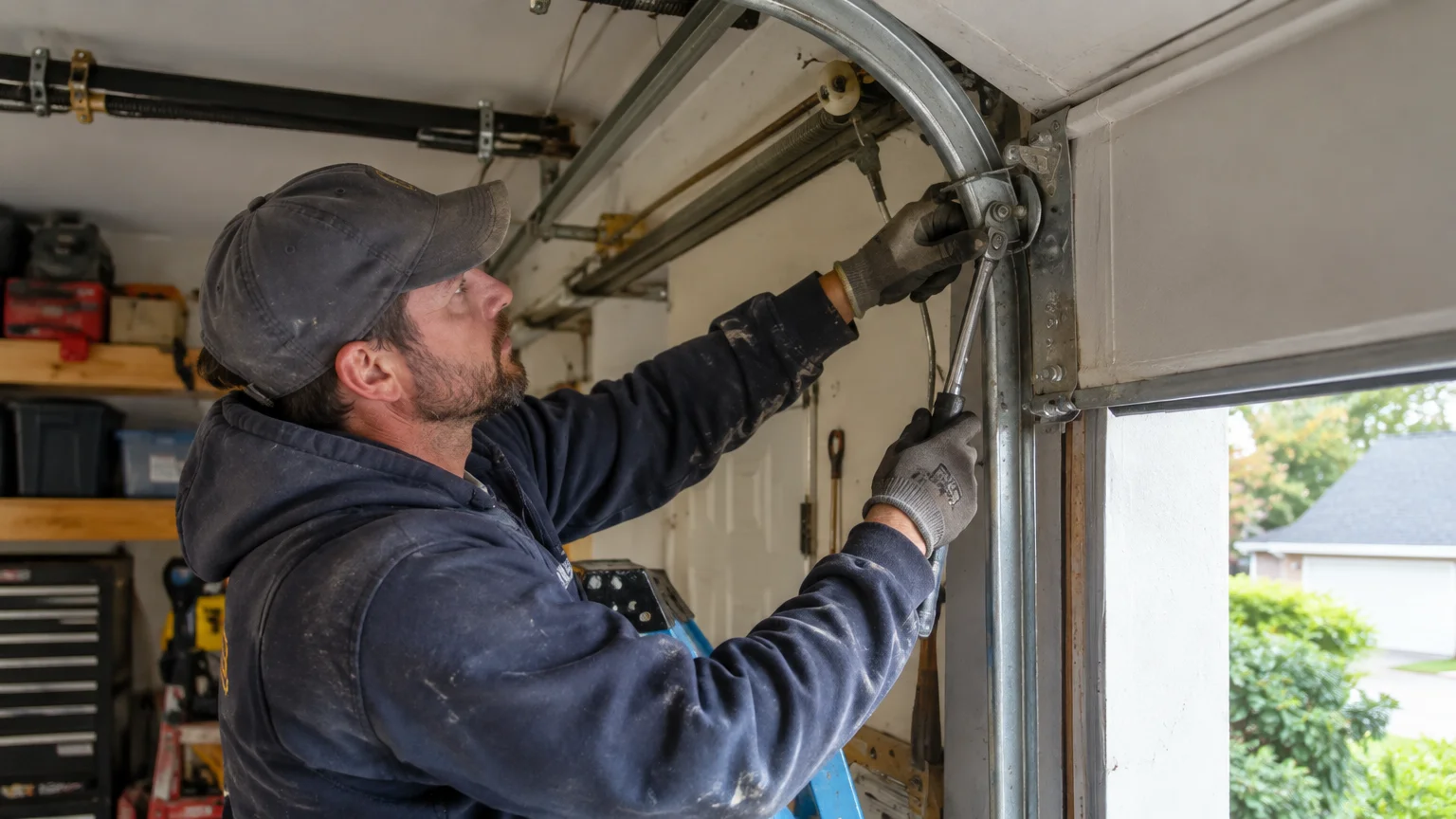
Rollers should move through the track without severe noise, wobble, or binding. Hinges should hold each door section firmly. Tracks should be aligned and supported. Springs and cables should show no signs of breakage, slack, or damage.
These checks do not mean a homeowner should take the system apart. Parts under tension are hazardous. Simple visual checks are reasonable, but repair work on springs, cables, and bottom brackets belongs to a trained professional.
Garage Door Cable Repair and Garage Door Off Track Repair may be needed before opener fitting. A technician can explain whether the door needs repair, replacement, or only normal setup work.
How an unbalanced or damaged door affects opener fitting
An unbalanced door places extra strain on the motor and drive system. A damaged door may also move unevenly or stop before reaching the floor. This can affect travel limits, sensor alignment, and safe closing.
Some homeowners search for how to repair a garage door panel or how to replace a garage door panel. Minor surface damage may not require a full replacement, but a damaged section can affect strength and alignment. Panel work should be checked with the whole door in mind.
Does Removing an Old Garage Door Opener Affect the Cost?
Removing an old opener can add work because the technician may disconnect equipment, remove rails, take down brackets, and prepare the area. Disposal needs may also be part of the project.
Old equipment is not always a simple swap. Mounting holes may not line up, support brackets may be weak, and old wiring may be damaged. The new opener may use different controls, sensors, or rail parts.
When removal and disposal are part of the installation
A quote should state whether old equipment removal is included. It should explain whether the old opener, rail, brackets, remotes, and other parts will be taken away. This avoids confusion after the work.
The removal process must protect the door and nearby structure. A stuck rail or motor attached to weak framing may need extra care. Loose hardware should not be left behind where it could create a hazard.
Problems caused by outdated wiring or mounting hardware
Older wiring may not suit new equipment. A loose outlet, damaged cable, or poor connection needs attention before testing. Electrical work beyond simple equipment connection may require a qualified electrician, based on the home and local rules.
Mounting hardware is just as important. The opener should attach to solid framing, not thin ceiling material. If the framing is hidden or hard to reach, the technician may need to add support.
These details explain why garage door opener installation cost can vary between homes with the same opener model. The equipment may match, but the work around it may not.
How Much Does It Cost to Install a Garage Door and Opener Together?
Installing a garage door and opener together is a larger project than fitting an opener alone. The work may include removing the old door, preparing the opening, fitting the new door, installing the opener, and testing both systems.
Coordinating both parts can help the door and opener work as one system. The tracks, springs, brackets, rail, and opener must all suit the new door. A mismatch can cause noise, poor movement, or early wear.
Why coordinating both installations can change the scope
A new door may need new tracks, springs, rollers, hinges, and seals. The opener may need different travel settings or a new mounting position. The ceiling and side walls may also need review before work begins.
The project may need more planning when the old door is damaged or the opening is not square. A garage door seal and trim can also affect how the new door closes. A complete quote should explain each part of the work.
How door compatibility affects the final quote
Compatibility means the door, opener, springs, tracks, and controls work together as a safe system. A heavy insulated door may need a stronger opener than a light single door. A wall-mounted model may need a suitable torsion shaft and side room.
Homeowners should not choose an opener based only on brand or remote features. The equipment must match the door’s movement and available space. Greenwood Garage Door Repair can review those details for property owners, from Forest Hills and South Greenwood to Ninety Six, Abbeville, Ware Shoals, Troy, and nearby communities.
If a door has major damage, replacement may make more sense than repeated panel work. Questions about changing or fixing garage door panels should be answered after the door’s structure is checked.
How Do Electrical and Garage Layout Requirements Affect Installation?
Power access, ceiling height, framing, and workspace can all affect installation. A garage with clear access and a strong mounting point is easier to prepare than one with blocked walls or unusual framing.
Most openers need a nearby power source. The outlet must suit the equipment and sit where the cord will not create a hazard. Damaged wiring or unsafe extensions should not be hidden or used as a permanent fix.
Power outlets, wiring, and ceiling access
The installer checks the outlet, wire path, wall control location, and sensor connection. Safety sensors need a clear line across the bottom of the door opening. Their wires must be protected from damage.
Ceiling access matters for rail-mounted systems. Storage, ductwork, lights, and low beams can block the normal path. A wall-mounted opener may solve some space problems, but it still needs side support and compatible door hardware.
Low ceilings, unusual framing, and limited workspace
Low ceilings may call for special rails or another opener design. A sloped ceiling can need careful support. Weak or hidden framing may need reinforcement before the motor is attached.
Limited workspace can make removal and fitting slower. Stored items should be moved before the technician arrives. Clear access helps protect the door, tools, vehicles, and belongings.
A local assessment also helps account for conditions common in the area. Greenwood Garage Door Repair understands that installation needs can differ between homes and small businesses across Greenwood and nearby communities.
Which Safety and Convenience Features Change Opener Installation Cost?
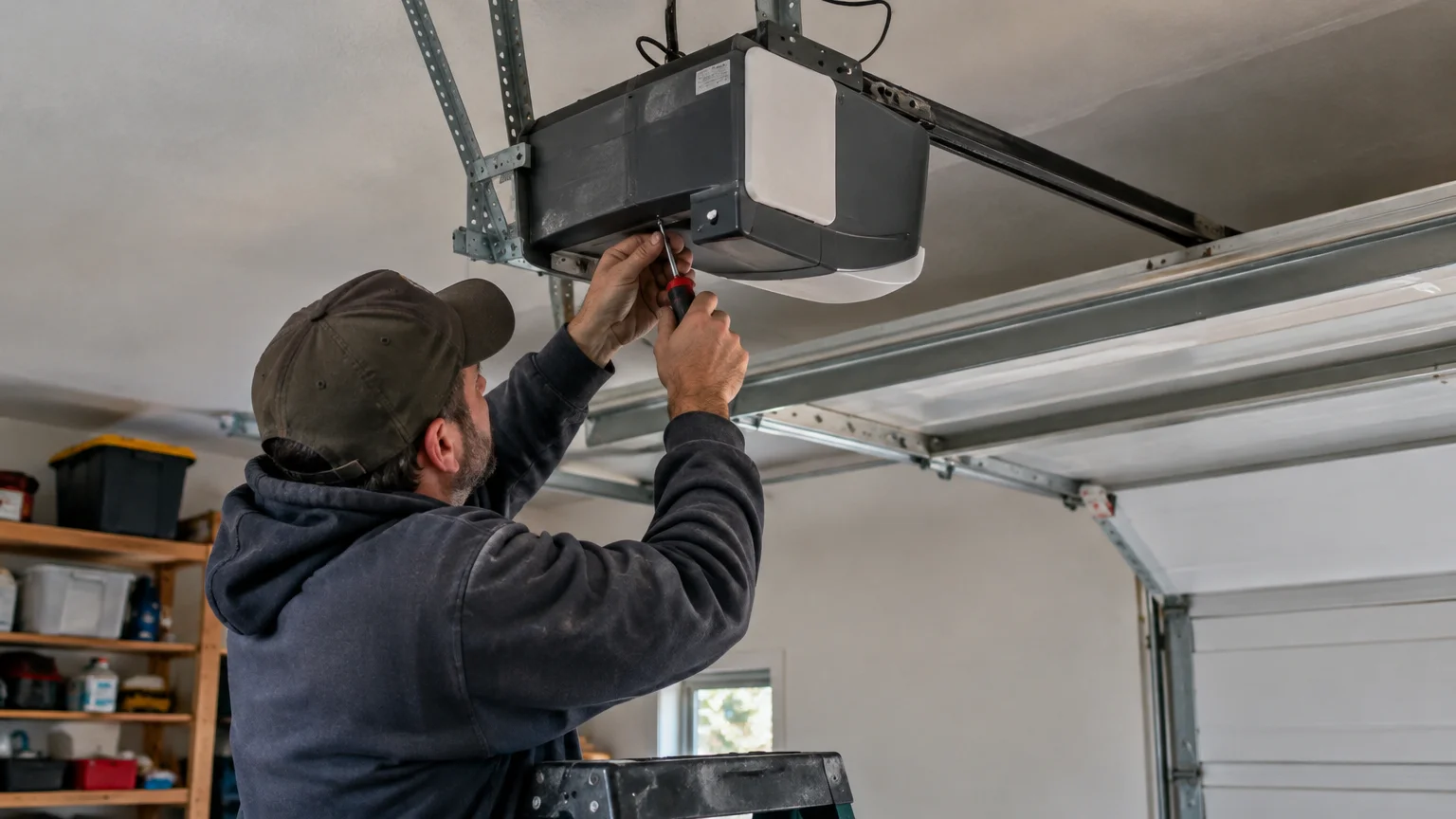
Extra features can change the equipment and setup work. Battery backup, built-in lighting, smart controls, safety sensors, wall controls, and remote access each serve a different purpose.
Safety features are more than comfort options. Modern openers use sensors and controls to help stop the door from closing on an object. The equipment still needs correct fitting, testing, and care.
Battery backup, lighting, and smart-home connectivity
A battery backup can help the door work during a power outage. This may matter for homes that need vehicle access or businesses that rely on a working garage entrance. The backup system needs correct setup and later care.
Built-in lights can improve visibility inside the garage. Smart controls may let an owner check or operate the door through a connected device. These features may need network setup, app pairing, and instructions for each user.
Safety sensors, wall controls, and remote access
Safety sensors must face each other and stay clear of dust, damage, and stored items. Wall controls should be easy to reach. Remotes should be programmed and tested before the job ends.
A professional should test opening, closing, stopping, reversing, lighting, controls, and remote access. The owner should learn how to use the emergency release and spot signs that service is needed.
If the opener stops responding, makes harsh sounds, or leaves the door open, Garage Door Opener Repair may be needed. Prompt help can restore access and protect garage security.
What Should a Garage Door Opener Installation Quote Include?
A useful quote should explain the equipment, fitting work, setup, testing, and cleanup. It should also identify repairs, removal work, electrical needs, or support changes outside the basic installation.
The quote should name the opener type and key features. It should state whether the rail, brackets, sensors, wall control, remotes, and battery backup are included. It should also explain what happens to old equipment.
Equipment, labor, setup, testing, and cleanup
The work description should cover how the opener will be mounted and connected. It should note door repairs needed before fitting. Testing should include balance, travel, sensors, controls, and safe stopping.
Cleanup matters too. Loose wires, old fasteners, packaging, and removed equipment should not be left where they can cause harm. The installer should explain basic use and care before leaving.
Questions to ask before approving the work
Homeowners and business owners can ask:
- Is the opener matched to the door’s size, weight, and design?
- Does the quote include old equipment removal and cleanup?
- Are repairs needed before the new opener is fitted?
- Are the sensors, controls, remotes, and setup included?
- What testing will be completed before the job ends?
- Which parts or work are covered by the maker or installer?
The final cost is confirmed on a quote after the site and equipment needs are reviewed. A clear scope helps owners compare safety, fit, service, and long-term use.
How Can You Prepare for a Garage Door Opener Installation?
Preparation is simple. Clear the garage, make the door easy to reach, and gather details about the current opener. The technician can then check the door, wiring, mounting area, and controls with fewer delays.
Move vehicles and stored items away from the door. Keep the wall control and power outlet visible. Tell the technician about strange sounds, failed remotes, a door that sticks, or times when it will not open.
What to check before the technician arrives
A homeowner can safely look for visible damage, loose items, blocked sensors, and remote battery problems. Cleaning dust from sensor lenses and removing objects from the door path may help with simple issues. Homeowners should not adjust springs, cables, brackets, or bottom fixtures.
The owner should note whether the problem affects the door, the opener, or both. A dead remote may need a battery. A door that lifts halfway and stops may have a balance or hardware issue. A door off its track needs professional attention.
Garage Door Maintenance can help reduce wear through routine checks and care. Still, maintenance cannot make unsafe parts safe. Repairs should be arranged when the door is damaged, stuck, noisy, or hard to lift.
When repair, replacement, or same-day service may be the better option
Repair may suit a sound door with one failed part. Replacement may be better when the door has major damage, poor balance, or repeated failures. A new opener may help when the door works well but the motor, controls, or drive system has failed.
Same-day or emergency service may be sensible when a vehicle is trapped, the door cannot secure the garage, or a broken spring leaves the opening unsafe. A homeowner should not force the door or remove tensioned parts while waiting for help.
Key takeaways
- Garage door opener installation cost depends on the full project, not only the motor.
- Door size, weight, balance, and condition affect equipment choice and fitting work.
- Old opener removal, wiring, framing, and limited access can change the scope.
- Safety sensors, battery backup, lighting, and smart controls need correct setup.
- The final cost is confirmed on a quote after the garage door and site are checked.
Frequently Asked Questions
Can a homeowner install a garage door opener?
A homeowner may handle simple checks, cleaning, and remote battery changes. Opener fitting is better handled by a trained professional when mounting, wiring, sensors, or door balance are involved. Springs, cables, bottom brackets, and other tensioned parts can cause serious injury without the right tools and training.
How long does a garage door opener last?
Service life depends on use, door balance, maintenance, weather, and equipment quality. A well-maintained opener may work for many years, but noise, repeated stops, failed controls, or poor movement can signal wear. A professional can confirm whether repair is sensible or replacement is safer.
Does a new garage door need a new opener?
Not always. An existing opener may work with a new door if it has the right lifting capacity, mounting setup, and controls. The door and opener should be checked together. A heavy, custom, or different door may need another opener type or more fitting work.
Why does my new opener still struggle with the door?
The door may be unbalanced, damaged, or restricted by worn rollers and tracks. An opener should not overcome a broken spring, damaged cable, or bent track. Stop using the system if it binds or drops, and arrange a professional inspection before more parts are damaged.
How do I choose a garage door repair company near me?
Look for a local company that explains the work clearly, checks the full door system, and identifies safety concerns before fitting equipment. Ask what the quote includes and whether removal, setup, testing, and cleanup are covered. Greenwood Garage Door Repair serves homeowners, business owners, and property owners across Greenwood and nearby communities.
A garage door opener is part of a larger system. The safest result comes from matching the equipment to the door, preparing the space, and fixing unsafe parts first. When access or security is at risk, Contact us today to arrange prompt help from Greenwood Garage Door Repair.
If you are not sure what you are dealing with, it is worth having someone look at it before it turns into a bigger job. Find out more about our garage door installation in Greenwood. Get in touch with Greenwood Garage Door Repair today and we will tell you where you stand.